
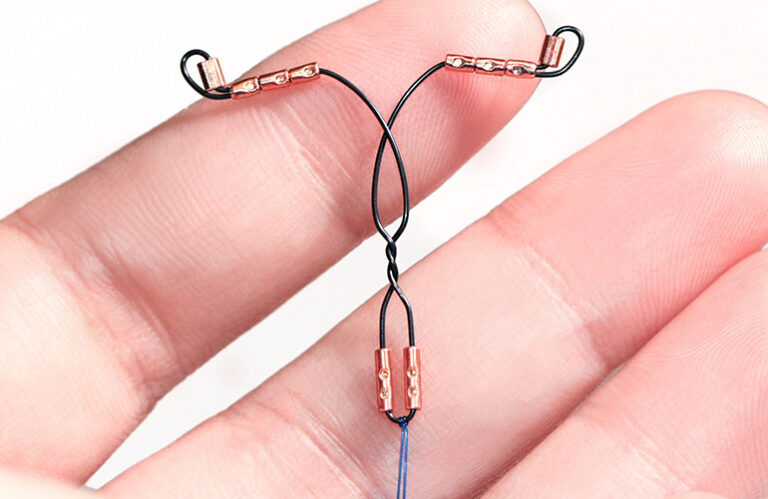

Sebela Pharmaceuticals has achieved a major milestone in contraceptive innovation with the FDA approval of Miudella, the first hormone-free intrauterine device (IUD) cleared in the United States in more than 40 years — and notably, the first IUD ever to use nitinol, a nickel-titanium alloy known for its shape-memory and flexibility.
Developed by the Sebela Women’s Health division, Miudella represents a significant leap forward in non-hormonal birth control technology. Unlike conventional copper IUDs made from rigid plastic, Miudella leverages the mechanical properties of nitinol to create a smaller, more adaptable, and more comfortable device designed to reduce side effects commonly associated with traditional IUDs.
In the U.S., contraceptive IUD usage has tripled since 2006, driven by growing demand for long-acting reversible contraception (LARC) options. Yet despite this growth, innovation in the category has been stagnant — particularly for hormone-free devices. Miudella’s FDA approval marks the end of that drought, introducing a new generation of flexible, copper-based contraception that could reshape patient experience and choice.
Nitinol, the key to Miudella’s innovation, is a biocompatible metal alloy prized in medical device engineering for its unique ability to undergo deformation and then return to its original shape when warmed by body temperature. This property, combined with its elasticity and resistance to fatigue, allows the Miudella IUD to be compressed into a narrow insertion tube and then self-expand to conform to the uterine cavity once placed — all without compromising the device’s structure or stability.
This flexibility gives Miudella a distinct advantage over traditional, rigid-plastic IUDs. For many women, discomfort, cramping, or expulsion often result from the mismatch between fixed device geometry and the natural variability of uterine shapes. Miudella’s adaptive nitinol frame addresses this issue directly, offering a customized fit that can reduce pain, bleeding, and expulsion rates — factors that historically drive early discontinuation.
“Considering it has been four decades since we’ve been able to offer women a new hormone-free IUD option, I find the clinical data supporting Miudella’s efficacy and safety to be very exciting,” said Dr. David Turok, Professor in the Department of Obstetrics and Gynecology at the University of Utah and the principal investigator of the pivotal clinical trial leading to FDA approval. “This innovative intrauterine device may allow for improvements in discontinuation rates due to pain and bleeding and in expulsion rates. This would be very meaningful for women looking for hormone-free options.”
The Miudella IUD measures 32 mm wide and 30 mm long, making it smaller than most existing copper IUDs, and comes preloaded in a narrow insertion tube that simplifies placement for clinicians. The design includes a polypropylene monofilament retrieval thread for easy removal, further improving usability.
At the heart of its contraceptive action are 10 copper sleeves strategically positioned near the cervix and uterine horns. This configuration allows Miudella to achieve comparable efficacy to existing copper IUDs with just 175 mm² of copper surface area — less than half the copper used in currently available devices, according to Sebela. The company notes that this optimized distribution ensures effective ion release while minimizing the inflammatory response often associated with higher copper loads.
Copper’s role in contraception is well-established: copper ions are toxic to sperm, impairing motility and preventing fertilization. The ions also alter the uterine environment, making implantation of a fertilized egg extremely unlikely. However, traditional copper IUDs have faced persistent concerns over side effects such as heavier menstrual bleeding, longer cycles, and cramping — issues that have historically limited their appeal compared to hormonal options like levonorgestrel-releasing IUDs.
Miudella’s unique design appears to mitigate many of these drawbacks. Clinical trial data suggest that pain and bleeding decreased significantly after the first three months of use, a period when users typically report the highest levels of discomfort. “It’s also promising that bleeding and pain observed in some participants dramatically decreased after the first three months of use, as tolerability is a key aspect of a long-acting, non-hormonal option,” Dr. Turok said.
The introduction of a nitinol-based contraceptive device represents an important convergence of materials science and women’s health innovation. Nitinol’s proven track record in stents, guidewires, and minimally invasive implantsmade it a natural candidate for applications requiring flexibility and resilience within the body. By adapting this material for gynecological use, Sebela has effectively reimagined one of the most established forms of birth control with modern engineering principles.
From a user perspective, Miudella’s combination of hormone-free efficacy, self-expanding flexibility, and potentially improved comfort could appeal to a broad population — particularly women who wish to avoid hormonal contraception due to side effects, medical contraindications, or personal preference.
Sebela’s Women’s Health division, known for its work in reproductive and maternal care, describes Miudella as part of its broader mission to expand contraceptive choice and address unmet needs in long-acting reversible contraception. With FDA approval secured, the company plans to launch Miudella in the U.S. market within the next year, pending final manufacturing and distribution timelines.
The arrival of Miudella could mark the beginning of a new era in IUD design, where patient comfort and adaptive materials drive innovation. After decades of incremental improvements, this nitinol-based technology demonstrates that meaningful progress in women’s health doesn’t always require new hormones or new mechanisms — sometimes, it simply takes a smarter use of materials.
The approval of Sebela Pharmaceuticals’ Miudella IUD marks not just a new product milestone, but a potential shift in how intrauterine contraception is designed, manufactured, and experienced. By incorporating nitinol, a flexible, shape-memory alloy traditionally used in cardiovascular and orthopedic implants, Sebela has engineered an IUD that adapts to the human body rather than forcing the body to adapt to the device. This subtle but profound shift could redefine the comfort, acceptance, and future of hormone-free birth control.
Miudella arrives at a time when women’s health innovation is finally gaining overdue attention. According to the CDC and the Guttmacher Institute, the use of IUDs and implants has more than tripled since 2006, with millions of women now relying on long-acting reversible contraceptives (LARCs) as their preferred method of birth control. Yet, despite growing adoption, many women still discontinue IUD use early due to pain, bleeding, or expulsion issues. These challenges stem largely from outdated designs that haven’t evolved in decades.
Conventional copper IUDs, such as Paragard, use rigid plastic T-frames that often fail to conform to varying uterine shapes and sizes. When the device presses unevenly against the uterine wall, it can cause inflammation, discomfort, and sometimes even device expulsion. For many patients, this has been the trade-off for hormone-free contraception — effective but often uncomfortable.
Miudella’s nitinol construction solves this problem through mechanical intelligence built into the device itself. Once inserted through a narrower and smoother delivery tube, the IUD’s nitinol frame automatically expands to gently fit the natural contours of the uterus. Its flexibility reduces pressure points that cause cramping, while its shape-memory properties help it maintain stable positioning, lowering the risk of displacement or expulsion.
The device’s smaller size — 32 mm wide by 30 mm long — further contributes to ease of placement and tolerability. Sebela’s clinical data show that even during the initial adjustment period, Miudella was well-tolerated, and within three months, reports of pain and heavy bleeding dropped sharply. This could be a turning point for patients who have previously avoided copper IUDs due to concerns about discomfort or long-term bleeding side effects.
Miudella’s contraceptive effectiveness is driven by 10 precisely placed copper sleeves, totaling 175 mm² of copper surface area. While this is less than half the copper used in legacy IUDs, Sebela’s design ensures that copper ions are released evenly across the uterine cavity, maintaining high efficacy while minimizing local irritation. Copper acts as a spermicide, disrupting sperm motility and egg fertilization, while also altering the uterine lining to prevent implantation.
Dr. David Turok, the principal investigator on Miudella’s pivotal clinical trial, emphasized the significance of this innovation: “The ability to provide a hormone-free option with improved tolerability has real clinical value. Many patients seek non-hormonal choices due to side effects or contraindications, and Miudella provides that with new engineering that enhances comfort and reduces expulsion.”
The approval of Miudella also represents a milestone for medical materials science. Nitinol — a blend of nickel and titanium — has long been used in medical devices like stents, guidewires, and orthopedic implants, where flexibility and resilience are critical. The alloy’s superelasticity allows it to bend and compress under pressure, then spring back to its programmed shape. Its biocompatibility and fatigue resistance make it ideal for long-term implantation inside dynamic biological systems like the uterus.
By adapting nitinol for use in an IUD, Sebela’s engineers have effectively bridged a gap between structural mechanics and reproductive medicine. The result is a device that can move with the body, self-adjusting to maintain position even as the uterus changes over time due to hormonal cycles or physiological variation.
From a design perspective, Miudella represents a departure from the “one-size-fits-all” paradigm. Instead, its frame behaves more like a flexible scaffold, able to adapt dynamically to individual anatomy. This could set a new precedent in women’s health product development — where engineering precision meets physiological empathy.
In the broader market, Miudella enters an IUD landscape dominated by a handful of major players and aging products. Paragard, approved in 1984, remains the only other non-hormonal IUD available in the U.S. For four decades, it has served as the default choice for women seeking hormone-free birth control. Miudella’s arrival provides meaningful competition, giving physicians and patients a new alternative with distinct performance and comfort advantages.
Sebela Pharmaceuticals expects Miudella’s availability to expand contraceptive access and choice, especially among women who are hesitant about hormonal options due to mood changes, weight fluctuations, or medical contraindications like migraine or clotting disorders. By offering a mechanically innovative, non-hormonal solution, Sebela may tap into a growing demand for biologically neutral contraceptives that do not interfere with natural endocrine function.
Market analysts also note that Miudella could invigorate IUD adoption in regions where discontinuation rates have been high due to side effects. A more comfortable and user-friendly option could encourage longer-term adherence, translating into both better patient outcomes and broader public health benefits.
The combination of miniaturized engineering, improved tolerability, and reduced copper exposure makes Miudella particularly attractive to younger women, first-time IUD users, and those previously dissatisfied with other devices. Its FDA approval process, supported by robust safety and efficacy data, also opens the door for international regulatory submissions — potentially making Miudella one of the first globally distributed nitinol-based contraceptives.
For Sebela, this achievement reinforces its focus on women-centered innovation and precision design in reproductive health. “Our goal was to deliver a hormone-free IUD that doesn’t compromise on comfort or effectiveness,” a company spokesperson noted. “Nitinol allowed us to do that by rethinking how an IUD interacts with the body.”
As the device prepares for its U.S. launch, Miudella’s impact could extend beyond contraception. It signals a renewed commitment to engineering-driven solutions in women’s health, a field historically underserved by high-tech design. The same nitinol technology could inspire future developments in fertility control, menstrual health management, and even gynecological therapeutics requiring flexible, adaptive implants.
In short, Miudella’s debut is more than an incremental improvement — it’s a material and design revolution that blends cutting-edge metallurgy with reproductive care. With its promise of improved comfort, lower expulsion, and reduced side effects, the device has the potential to redefine what women expect from long-acting, hormone-free birth control.
Powered by Froala Editor