
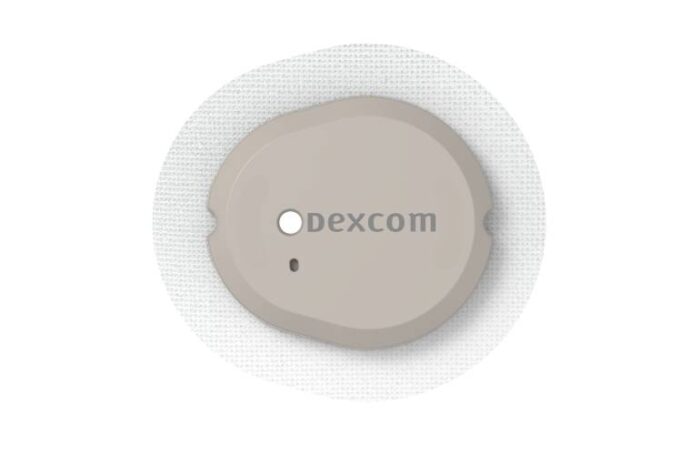

A new class action lawsuit has been filed against Dexcom (Nasdaq: DXCM) in the U.S. District Court for the Central District of California, alleging that the company misrepresented the safety and reliability of its flagship G7 continuous glucose monitoring (CGM) system. The suit, led by plaintiff Kelly Grisoli on behalf of a proposed nationwide class of consumers, accuses Dexcom of false, misleading, and deceptive marketing practices tied to its latest-generation glucose sensor.
According to filings reviewed by Drug Delivery Business News, the plaintiffs claim that Dexcom promoted the G7 CGMas a superior, cutting-edge medical device while failing to disclose that it allegedly suffered from critical defects and alert malfunctions that could place users’ health at risk. The complaint further asserts that the company continued to sell and distribute the product despite awareness of the purported issues and subsequent FDA recall notices affecting the device.
The legal action demands a jury trial and seeks damages, restitution, and corrective measures under federal and state consumer protection statutes.
This lawsuit arrives only weeks after a California judge dismissed a separate class action against Dexcom involving alleged misrepresentation of sales performance, underscoring the growing legal scrutiny surrounding the company’s product marketing and disclosure practices.
The claims behind the case
The plaintiffs argue that Dexcom’s advertising overstated the accuracy, performance, and dependability of the G7 CGM — a device designed to continuously track glucose levels in diabetic patients without the need for fingersticks. Dexcom had positioned the G7 as its most advanced CGM system, emphasizing its 60% smaller form factor compared to the G6 model, a 30-minute warm-up period (down from two hours previously), and a longer 15-day sensor wear time approved earlier this year.
However, according to the complaint, users across the U.S. experienced dangerous sensor failures and alert malfunctions, including instances in which the system allegedly failed to warn users of dangerously low or high blood glucose levels. Such failures, the lawsuit contends, could expose patients to serious complications such as hypoglycemia, hyperglycemia, and diabetic ketoacidosis.
The class action also references Dexcom’s recent recall activity, which affected certain lots of the G7 system due to potential hardware communication issues and software malfunctions that could disrupt real-time glucose alerts. Plaintiffs allege that these defects contradict Dexcom’s promotional claims that the G7 offers “unmatched reliability” and “consistent glucose readings to protect patient safety.”
Broader implications for Dexcom and CGM makers
The filing places Dexcom — a dominant player in the diabetes technology market — under renewed public and regulatory pressure. The company’s CGM systems, used by millions of patients worldwide, compete with products from Abbott Laboratories (Freestyle Libre) and Medtronic in a rapidly expanding market expected to exceed $25 billion globally by 2030.
While CGMs have transformed diabetes management by enabling continuous tracking of glucose levels, they also carry technical complexities that make performance reliability essential for patient safety. The allegations in this lawsuit strike at the core of Dexcom’s reputation for accuracy and dependability, which has been central to its brand positioning since its founding in 1999.
Dexcom has not yet filed an official response to the complaint. However, the company has historically defended its products as being developed under rigorous clinical and quality standards, emphasizing its strong record of FDA compliance and post-market safety monitoring.
The lawsuit’s timing also coincides with heightened FDA oversight of connected medical devices. Regulators have been increasingly focused on cybersecurity, signal reliability, and software validation in wearables and digital health products — areas where any perceived lapse can lead to costly recalls and class action exposure.
What the plaintiffs seek
The proposed class action aims to represent all U.S. consumers who purchased or used Dexcom’s G7 CGM system, claiming that they were misled by marketing materials and unaware of the device’s alleged defects. The plaintiffs seek monetary damages, injunctive relief, and restitution, along with court-mandated corrective advertising to clarify product risks.
The suit contends that Dexcom violated multiple consumer protection laws, including statutes prohibiting false advertising, breach of warranty, and unjust enrichment. It also accuses the company of concealing known defects to preserve its competitive edge in the diabetes monitoring market.
Industry and investor response
Following the lawsuit’s filing, legal analysts noted that class actions of this nature can have reputational and financial ramifications for medtech firms, especially those whose success depends on consumer trust and clinical validation. Although the outcome remains uncertain, the case underscores how device reliability issues — even when affecting a small subset of users — can escalate into nationwide litigation if communication and remediation efforts are perceived as insufficient.
Dexcom shares (Nasdaq: DXCM) have experienced volatility in recent months amid broader market pressure on digital health companies and investor concerns over pricing competition in the CGM space. Analysts say the lawsuit could further test investor confidence if it leads to expanded discovery or public disclosure of internal quality data.
Looking ahead
The G7 remains one of Dexcom’s most important products, positioned as a key growth driver in its U.S. and international markets. The device’s FDA clearance in December 2022 marked a milestone for the company, allowing it to compete more aggressively with Abbott’s Libre 3 sensor. Earlier this year, Dexcom received expanded authorization for 15-day wear time, a feature expected to reduce patient costs and improve convenience.
However, the lawsuit introduces a potential regulatory and reputational challenge just as Dexcom pushes into new areas such as Type 2 diabetes monitoring and connected health platforms.
If the allegations gain traction, the case could influence how device makers market and validate digital diagnostic systems, particularly those relying on automated alerts and cloud-based monitoring. Industry observers suggest it could also spur new FDA guidance around the transparency of software performance claims for CGMs and similar connected devices.
For now, Dexcom has not commented publicly on the pending litigation, and no court date has been set. The Central District of California is expected to determine in the coming months whether the case qualifies for class certification, a key step that could expand its scope to include tens of thousands of U.S. consumers.
The new class action lawsuit against Dexcom over its G7 continuous glucose monitor (CGM) marks a pivotal moment not only for the company but for the entire connected medical device industry. As continuous glucose monitoring becomes the foundation of modern diabetes care, the allegations of misrepresentation and product failure strike directly at the core of patient trust, clinical reliability, and digital device oversight.
If the case proceeds, it could set new precedents around how medical technology companies communicate device performance, manage post-market surveillance, and handle known software or alert issues in real-world settings.
The evolving legal landscape for connected medical devices
Dexcom’s G7 is a flagship CGM that represents one of the most advanced devices in diabetes management. With FDA clearance in 2022, it introduced key upgrades — including a 60% smaller sensor, a shorter 30-minute warm-up period, and a 15-day wear time extension. These features were marketed as major breakthroughs in comfort and efficiency, enabling users to monitor glucose trends continuously with minimal intervention.
However, the plaintiffs allege that Dexcom’s marketing of these benefits failed to disclose significant performance risks, including potential alert malfunctions that could fail to warn users of critical glucose fluctuations. In a category where reliability can mean the difference between stable glucose control and life-threatening hypoglycemia, such claims carry substantial weight.
Legal experts note that the case could bring renewed focus to truth-in-advertising standards for medical devices, especially those combining hardware and software. While device manufacturers are required to meet FDA standards for label accuracy and risk disclosure, consumer lawsuits often challenge how promotional materials frame “real-world performance” versus “clinical test conditions.”
“The critical question in cases like this is not only whether the device worked as designed, but whether consumers were given full and fair information about its limitations,” said one medical device litigation analyst. “In the connected health era, marketing promises and software reliability are deeply intertwined — and that’s where legal risk now resides.”
The broader implications for Dexcom’s reputation and market position
Dexcom has long been considered an industry pioneer, shaping how patients and clinicians manage diabetes through continuous data and real-time alerts. The G7 was intended to reinforce this leadership by offering a sleeker, more integrated solution. But if the lawsuit gains traction, it could expose weaknesses in the company’s quality control and communication processes — especially regarding post-market monitoring and recall coordination.
The plaintiffs specifically cite FDA recall information, alleging that the G7’s design flaws were known internally but not adequately disclosed to consumers. The complaint highlights supposed instances of alert transmission errors, which could prevent the device from signaling dangerous glucose drops or spikes.
Such issues, if substantiated, would not only challenge Dexcom’s credibility but could also prompt greater FDA scrutinyof CGM software validation, algorithm transparency, and device-to-app connectivity standards.
For Dexcom’s investors, the stakes are high. The company has positioned itself as a growth engine within the digital health sector, expanding into Type 2 diabetes monitoring, hospital glucose management systems, and partnerships with insulin delivery firms. Reputational damage or expanded litigation risk could slow its momentum just as competitors like Abbott’s FreeStyle Libre 3 and Medtronic’s Guardian Connect gain traction with new sensor technologies.
Patient safety and software reliability under the microscope
The Dexcom case also reflects a broader industry challenge — ensuring that software-driven medical devices perform safely under real-world conditions. Continuous glucose monitors rely on a complex interplay of biosensors, Bluetooth connectivity, cloud analytics, and mobile app integration. Small inconsistencies in data transmission or software calibration can lead to false readings or missed alerts.
While such issues are often rare, the consequences can be serious. For patients managing Type 1 or insulin-dependent Type 2 diabetes, delayed hypoglycemia alerts can result in seizures, unconsciousness, or hospitalization. That’s why both regulators and healthcare professionals emphasize redundancy and alert reliability as key performance criteria.
The class action alleges that Dexcom’s G7 fell short of those expectations and that the company’s marketing downplayed or omitted known performance concerns. Even if Dexcom’s defense proves that the incidents were isolated or statistically insignificant, the case underscores a new reality: software failures can now carry as much liability as hardware defects in medical devices.
Regulatory and compliance ripple effects
Should the lawsuit proceed, it could influence how the FDA and other global regulators approach oversight of next-generation wearables and digital diagnostic systems. The FDA has already increased its focus on real-world evidence (RWE) collection and post-market cybersecurity monitoring for connected devices. A high-profile case like this may accelerate new guidance around device alert validation, cloud reliability, and patient notification protocols.
Industry observers suggest that future device approvals may require stronger post-market data reporting and transparency around device alert failure rates. In addition, companies could face pressure to enhance user education materials, clarifying potential technical limitations of app-linked systems.
This trend mirrors developments in other digital health sectors. Recent recalls involving heart monitoring patches, insulin pumps, and remote diagnostic systems have all pushed regulators toward stricter expectations for software reliability, firmware updates, and device interoperability.
What’s next for Dexcom and CGM manufacturers
As of now, Dexcom has not issued an official response to the pending lawsuit. The company has previously stated that its G7 system meets or exceeds international accuracy standards and that its recalls have been limited in scope and conducted “out of an abundance of caution.”
However, legal experts believe that discovery in the case could reveal new details about internal product testing, user complaints, and recall communications. If evidence supports the plaintiffs’ allegations, the case could evolve into one of the most significant consumer protection lawsuits in the CGM market’s history.
For the broader medtech industry, the implications go beyond Dexcom. The outcome could reshape how companies:
Conduct and disclose post-market reliability testing for connected devices.
Use real-world data in marketing claims.
Manage alert validation for life-critical systems.
Communicate recall information to end users and clinicians.
Ultimately, the case highlights a tension at the heart of modern medtech: the drive to innovate quickly in competitive markets versus the obligation to ensure absolute reliability and transparency in life-sustaining devices.
If Dexcom prevails, the ruling could reaffirm the industry’s current balance between innovation and risk disclosure. But if the plaintiffs succeed — or if the case leads to new regulatory guidance — manufacturers may face tighter compliance requirements for every step of their digital device lifecycle.
Either way, the Dexcom G7 lawsuit underscores a powerful lesson for the medical technology sector: in an era defined by smart devices and algorithmic care, trust is the ultimate product.
Powered by Froala Editor